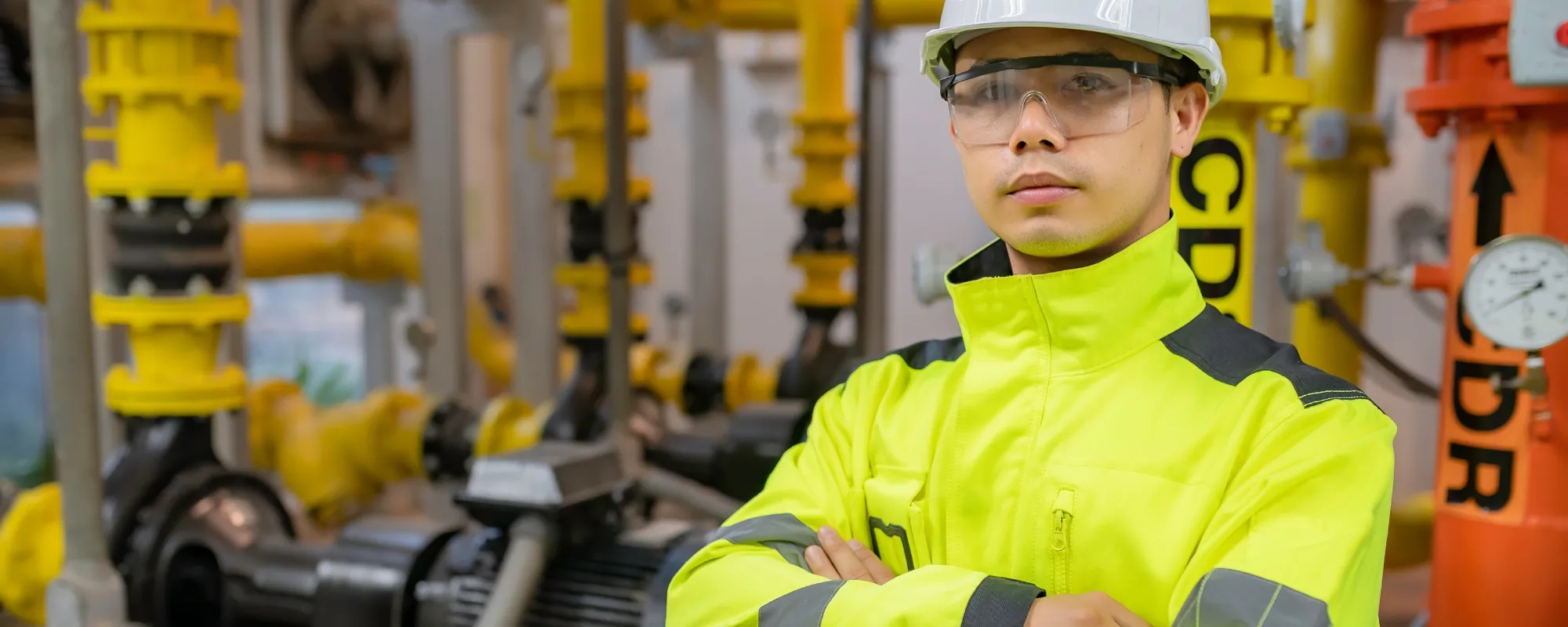
Have you ever noticed that many people wear jackets while they work? You might see workers in factories, engineers on sites, or even office people wearing different kinds of jackets.
Why do they wear them?
Is it only to look good?
Not really.
People wear jackets at work for many practical reasons like safety, comfort, protection, and company identity. Let’s talk about why jackets are so common in different kinds of jobs.
1. For Safety and Protection
One of the biggest reasons people wear jackets at work is for safety. Workers face dust, dirt, chemicals, heat, or sharp tools in many jobs. A jacket protects their body and clothes from harm.
For example:
- In a factory, a worker may wear a cotton or flame-resistant jacket to protect from sparks or heat.
- In a construction site, workers wear high-visibility jackets so others can see them clearly.
- In a workshop, jackets protect from oil, grease, and metal splashes.
These jackets are not just clothes, they are a kind of safety gear. They help prevent injuries and keep workers safe during their job.
2. To Stay Warm in Cold Weather
Many people wear jackets simply to keep warm. Factories, warehouses, and outdoor sites can be cold, especially in the morning or winter season. A good jacket helps workers stay comfortable and focused. When your body is too cold, your hands and muscles become stiff. You can’t move easily or work properly. But when you wear a jacket, your body stays warm and flexible.
So, wearing a jacket helps workers do their job better and stay healthy.
3. To Keep Clean and Tidy
Work jackets also help workers keep their clothes clean. In many jobs, workers deal with dust, oil, paint, or metal shavings. These can make clothes dirty very quickly.A jacket acts like a protective layer over the uniform or normal clothes. When the job is done, workers can simply take off the jacket and stay clean underneath.
This is very useful in jobs like:
- Mechanics
- Factory workers
- Maintenance teams
- Electricians
- Welders
So, jackets protect not only the body but also the uniform and personal clothing.
4. For Company Identity and Professional Look
In many companies, jackets are part of the official uniform. They often have the company logo printed or stitched on them. This helps identify employees easily and gives a professional image.
For example:
- Security guards wear jackets with company badges.
- Factory supervisors wear jackets with different colours to show their role.
- Corporate staff wear branded jackets during outdoor work or meetings.
When everyone wears similar jackets, it shows unity and teamwork. It also helps customers or visitors recognize the company’s workers easily.
5. To Carry Tools and Personal Items
Work jackets are not only for protection, they are also practical.
Many work jackets come with multiple pockets. These pockets help workers carry:
- Pens and notebooks
- Tools or measuring tapes
- Mobile phones
- Safety glasses
- Small spare parts
For people who move around a lot , like technicians or engineers , this is very useful. It saves time because they can keep important things close instead of walking back and forth.
6. For Different Work Environments
Different work areas need different types of jackets.
Let’s look at some examples.
a) Factory Work
Workers in factories may wear cotton, polyester, or flame-resistant jackets. These protect them from heat, sparks, oil, and dust. Some factories even use colour-coded jackets to show departments, for example, blue for maintenance, grey for operators, and green for safety staff.
b) Construction Site
People who work on construction sites wear reflective or high-visibility jackets. These jackets are usually bright yellow or orange with silver reflective lines. They make workers visible to others, especially in low light or near moving vehicles to help prevent accidents.
c) Office or Field Work
Engineers or supervisors who move between the office and the site often wear lightweight corporate jackets. These jackets look smart, protect from dust or wind, and display the company logo. They are also good for meeting clients while staying comfortable.
d) Cold Storage or Freezer Work
People working in cold storage rooms wear thermal or insulated jackets. These jackets keep the body warm even in freezing temperatures, so workers can perform their tasks safely. Each job has its own type of jacket, because each workplace has different needs.
7. For Comfort and Easy Movement
Modern work jackets are designed to be comfortable. They are made from soft, strong, and flexible materials.
Good jackets:
- Allow the body to move easily.
- Let the skin breathe.
- Are not too heavy or tight.
If workers feel comfortable, they can focus better and work efficiently. That’s why many companies choose light, breathable, and ergonomic jackets for their teams.
8. To Meet Safety Rules and Regulations
In many industries, wearing proper workwear is not a choice, it’s a rule. Governments and safety organizations have laws that say workers must wear protective clothing in certain jobs.
For example:
- Welders must wear flame-resistant jackets.
- Construction workers must wear high-visibility jackets.
- Maintenance staff must wear jackets with company identification.
If someone doesn’t follow these rules, it can cause accidents or fines. So, wearing a jacket is part of following workplace safety standards.
9. For Outdoor Protection
Workers who work outdoors, such as in transport, delivery, agriculture, or construction, face changing weather.
A jacket helps protect from:
- Sun – to prevent sunburn or skin damage.
- Rain – waterproof jackets keep workers dry.
- Wind – windproof jackets stop dust and cold air.
Outdoor jackets are made from strong, weather-resistant materials so workers can continue their job in any condition.
10. To Show Role or Authority
In some workplaces, the jacket can also show a person’s position or responsibility.
For example:
- A supervisor may wear a different colour jacket than the workers.
- A safety officer may wear a bright jacket with “Safety” written on it.
- A visitor may be given a special jacket to wear while entering a restricted area.
This makes it easy to identify roles and helps with communication and safety on site.
11. Summary – Why People Wear Jackets at Work
Let’s quickly review the main reasons people wear jackets while working:
| Reason |
Purpose |
| Safety |
Protects from heat, sparks, or injury |
| Warmth |
Keeps the body warm in cold weather |
| Cleanliness |
Protects clothes from dirt and oil |
| Company identity |
Shows team unity and professionalism |
| Tool storage |
Pockets help carry small tools |
| Comfort |
Light, flexible, and easy to wear |
| Outdoor protection |
Shields from sun, rain, and wind |
| Regulations |
Follows workplace safety laws |
Final Thoughts
Wearing a jacket at work is not just about style, it’s about safety, comfort, and professionalism. For people who work in factories, construction, or technical jobs, a good work jacket is an important part of their uniform. It keeps them safe, clean, and ready for any task. Even office workers or supervisors wear jackets to look smart and represent their company well.
So next time you see someone wearing a jacket at work, remember — it’s not just clothing. It’s protection, identity, and pride in their profession.