Safety Guides

Warehouse Safety Rules for a Safer and More Efficient Workplace

Warehouse safety Rules

Warehouse Safety Rules

A warehouse is a very busy place. There are machines, forklifts, boxes, and heavy goods everywhere. If safety rules are not followed, accidents can happen. Workers can get hurt, work can stop, and the business can lose money. That is why warehouse safety rules are very important. They keep workers safe and help the warehouse run smoothly.

In this guide, we will explain warehouse safety rules in a simple way.  Simple, practical safety steps every warehouse can apply today.

Warehouse Safety Regulations and Standards

Many countries have laws to protect warehouse workers. Organizations like OSHA provide safety regulations for equipment use, material storage, and emergency preparedness.

Key rules include:

Following these regulations helps prevent fines and more importantly, keeps workers safe.

Warehouse Safety Rules

Recommended Warehouse Safety Equipment

Barrier Tape | Safety and Hazard Marking

Add to quote This product has multiple variants. The options may be chosen on the product page

Lime / Orange Reflective Jacket | Full Sleeve Safety Jacket

Add to quote This product has multiple variants. The options may be chosen on the product page

PPE Requirements

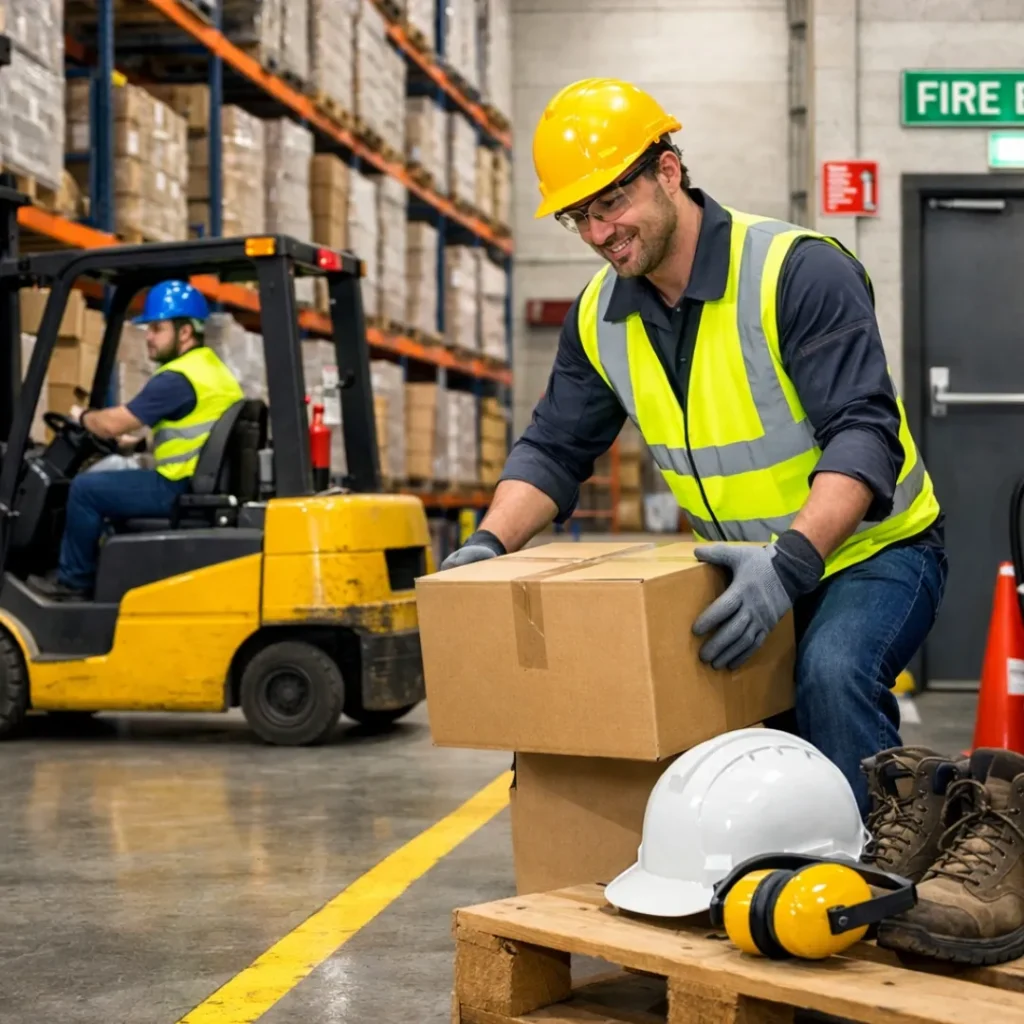
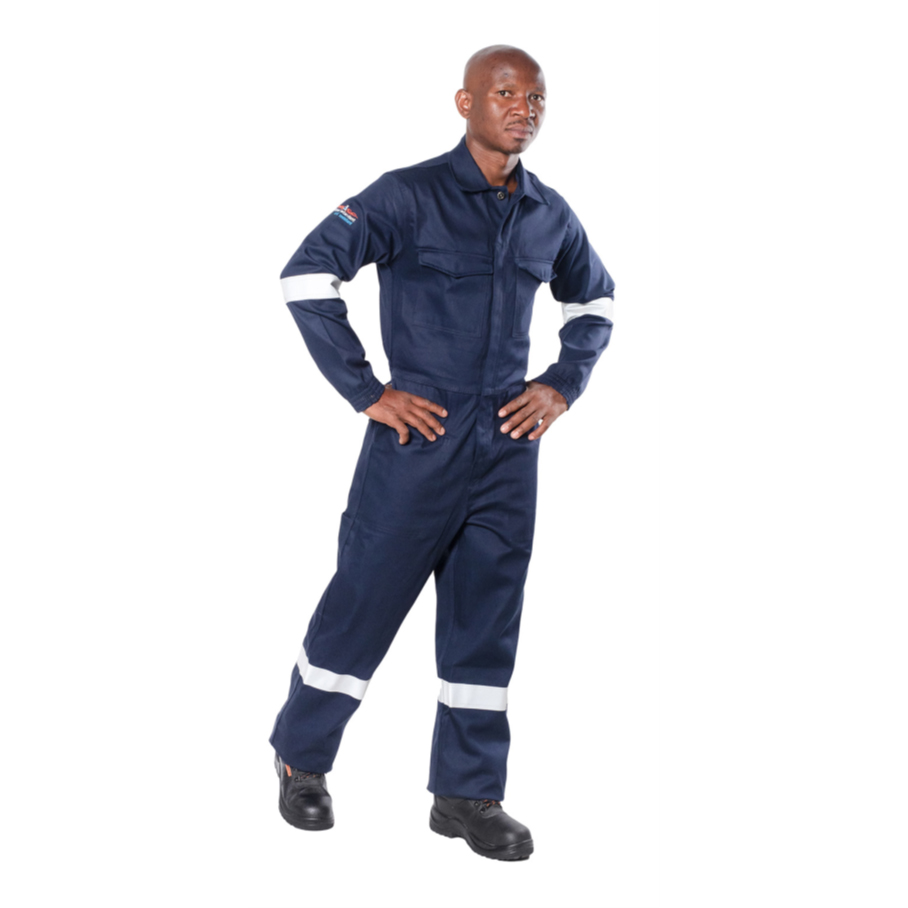
Workers should always use proper protective gear to reduce injuries and maintain a safe working environment.


Fire Safety Measures

Proper fire prevention and preparedness helps reduce risks and protects both workers and warehouse assets.


Emergency Preparedness

Every worker should understand what to do in case of an emergency to prevent panic and reduce damage.


Reduce Workplace Accidents

Following proper warehouse safety rules helps prevent injuries, protects workers, and keeps daily operations running smoothly.

Improve Efficiency & Compliance

A well-organized and safety-focused warehouse reduces downtime, avoids penalties, and improves overall productivity.

Warehouse Safety Rules

Warehouse Risk Assessment and Finding Hazards

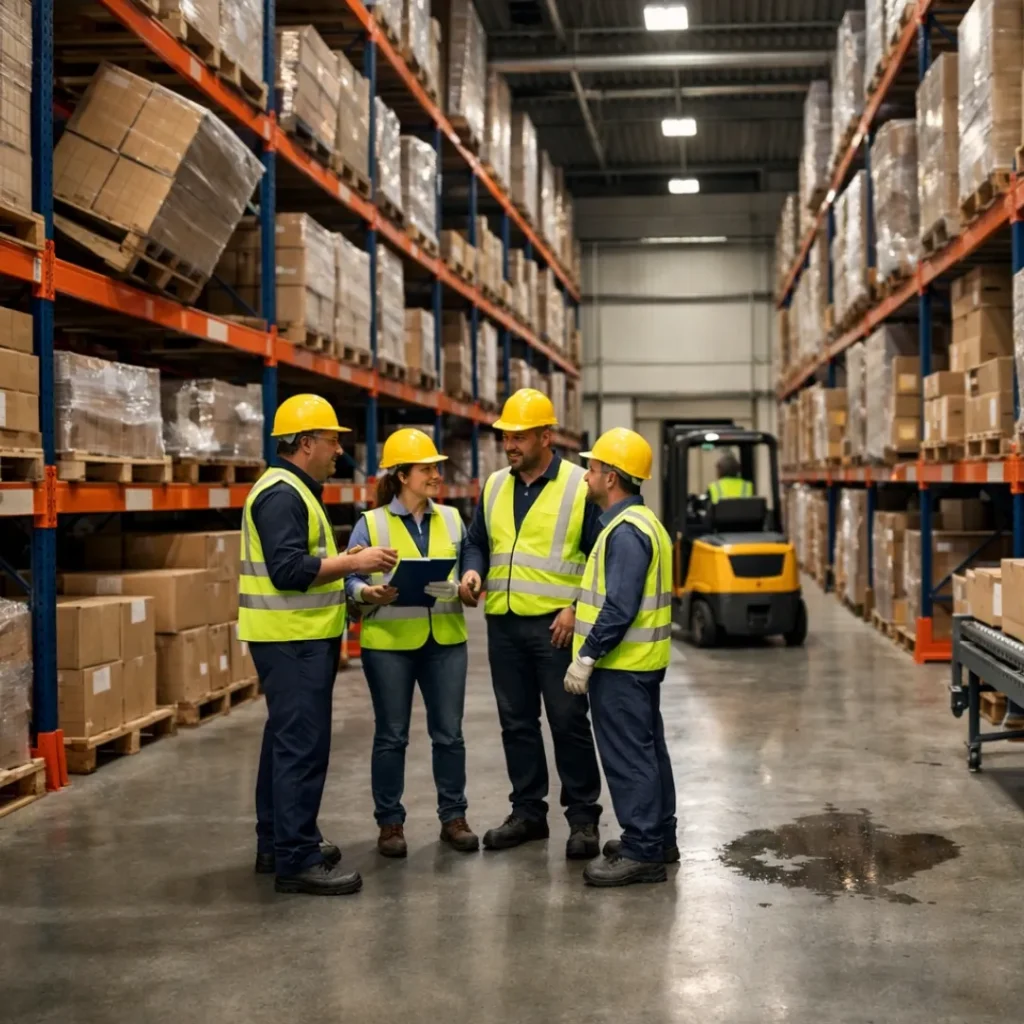
 A warehouse risk assessment identifies hazards before they cause accidents. Ask questions like:

Common warehouse hazards include:

Identify hazards quickly and address them immediately. Conduct regular risk assessments, especially when layouts change or new equipment is introduced.

Warehouse Safety Checklist

A safe warehouse starts with consistent daily checks. Use this simple checklist to identify risks early, maintain organized operations, and ensure your team works in a secure environment every day.

Use this daily checklist to stay safe:

Following these regulations helps prevent fines and more importantly, keeps workers safe.

Warehouse Safety Rules

How Bestway Industrial Supports Warehouse Safety

Bestway Industrial provides the right equipment needed to improve warehouse safety. We offer reliable safety barriers, PPE, and material handling solutions that help create a safer and more organized work environment. Our products support businesses in storing goods properly, controlling the movement of people and forklifts, and reducing everyday workplace risks.

With Bestway Industrial, companies can protect their workers and keep their operations running smoothly and efficiently.

Conclusion

Warehouse safety rules are simple but vital. Following them reduces accidents, increases productivity, and protects your team. With good practices and support from trusted companies like Bestway Industrial, warehouses can become safer, more organized, and more productive.

Remember: Safety is everyone’s responsibility. Contact Bestway Industrial today to learn how our solutions can protect your warehouse and workforce.

Frequently asked questions

Why are warehouse safety rules important for businesses?

Warehouse safety rules help reduce workplace accidents, protect employees, and prevent costly disruptions. A safe environment also improves productivity and ensures compliance with industry regulations.

What are the most common safety risks in warehouses?

We typically respond to quote requests within 24 to 48 hours. For bulk or custom orders, it may take slightly longer as we confirm availability and logistics.

How often should warehouse safety inspections be conducted?

Safety checks should be done daily for basic items like floors, aisles, and PPE availability. A more detailed inspection is recommended weekly or monthly, depending on warehouse activity and traffic.

What type of safety equipment is essential for warehouses?

Essential equipment includes safety barriers, rack protectors, floor marking tapes, bollards, PPE, and proper material handling solutions. These tools help control movement, protect infrastructure, and reduce accidents.

How do safety barriers improve warehouse operations?

Safety barriers separate people from moving equipment such as forklifts, reducing collision risks. They also protect storage areas and improve traffic flow inside the warehouse.