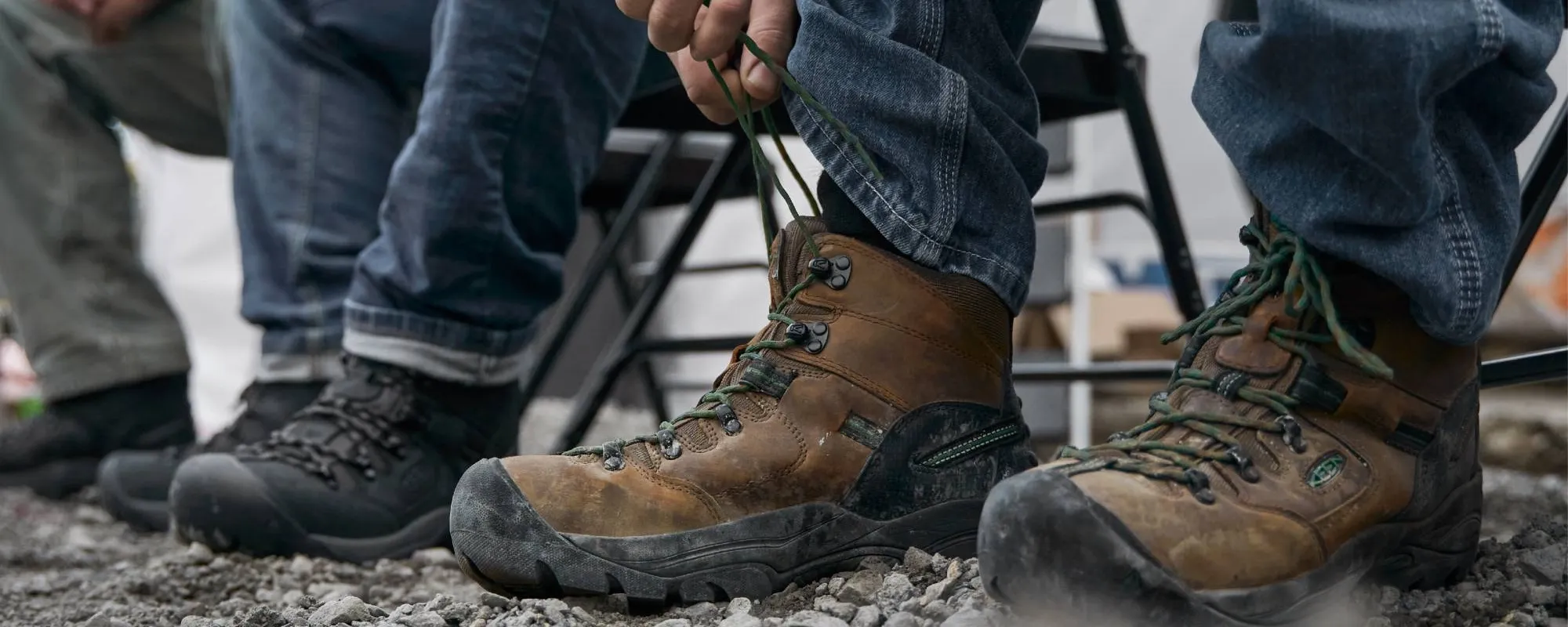
Work boots are a very important part of industrial safety footwear. They protect workers from injuries caused by heavy objects, sharp materials, uneven surfaces, and long working hours. Wearing work boots incorrectly can reduce their protective benefits and increase the risk of discomfort or injury.
In this guide by Bestway Industrial, we explain how to wear work boots correctly to ensure maximum safety, comfort, and long term foot protection in industrial environments.
Why Wearing Work Boots Correctly Matters for Safety
Correctly worn work boots play a key role in workplace safety. Proper usage helps to:
- Keeps your feet safe from heavy objects
- Reduce slips and falls
- Support ankles and maintain proper posture
- Improve comfort during long shifts
- Increase worker confidence and productivity
Incorrect wearing can lead to foot pain, blisters, fatigue, and a higher risk of workplace accidents.
Step-by-Step Guide: How to Wear Work Boots Correctly
1. Choose the Correct Work Boot Size
Always select work boots that fit properly. Industrial work boots should feel secure but comfortable while standing and walking.
- Toes should have slight movement space
- Heels should remain firmly in place
- Boots should not feel tight or loose
The correct size ensures both safety compliance and daily comfort.
2. Wear Proper Work Socks
Work socks are an important part of safety footwear performance. Always wear:
- Thick and cushioned socks
- Breathable materials
- Socks that cover the ankle
Proper socks reduce friction, prevent blisters, and improve overall comfort when wearing work boots.
3. Position Your Foot Correctly Inside the Boot
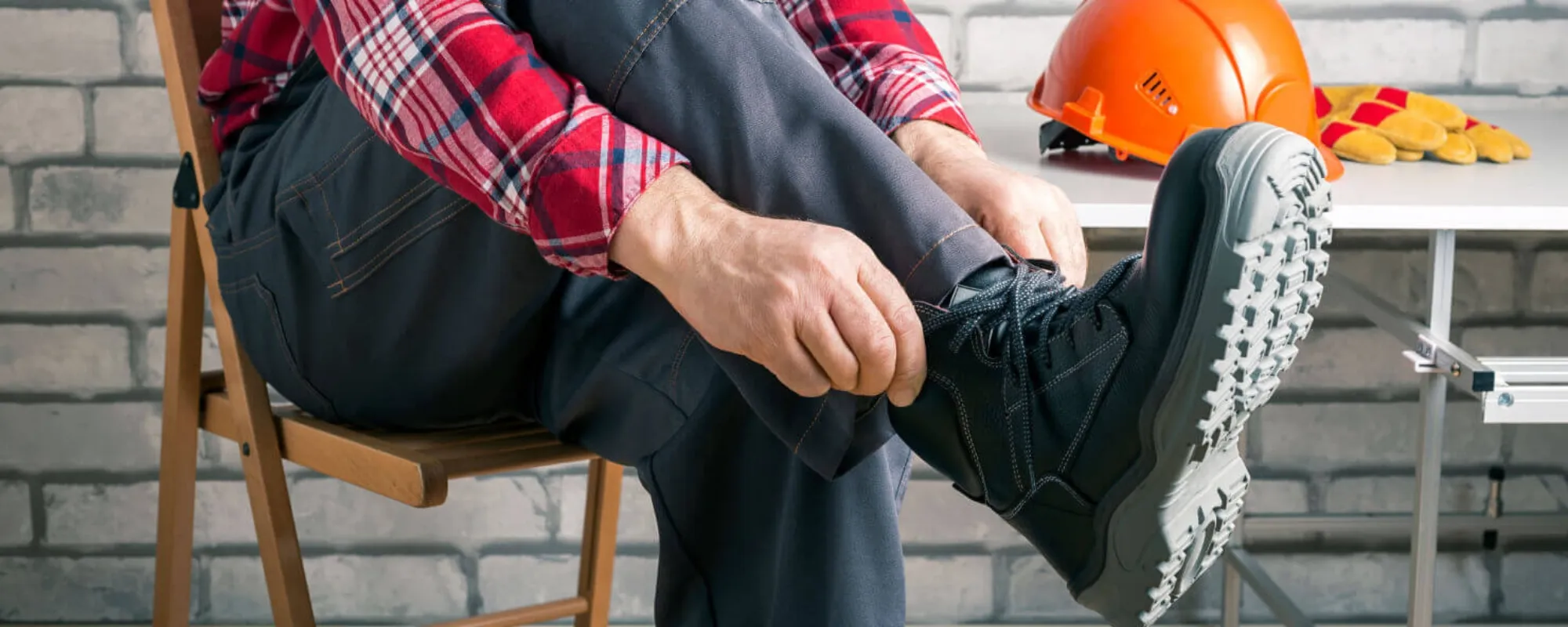
Sit down and place your foot fully into the boot. Ensure the heel is positioned correctly at the back and the foot sits flat inside.
Your toes should not press against the hard front area. This allows the safety toe cap to function effectively.
4. Lace the Boots Securely
Lace your work boots evenly from bottom to top. The laces should be firm but not overly tight.
- Secure lacing supports ankle stability
- Prevents foot movement inside the boot
- Reduces the risk of slips and injuries
Loose laces can compromise safety and balance.
5. Check Comfort and Mobility
After wearing the boots, stand and walk for a few minutes. Confirm that:
- There is no pressure or pain
- Your foot feels stable
- Your ankle is well supported
Adjust the laces if needed to achieve the best fit.
Common Mistakes to Avoid When Wearing Work Boots
Many workplace injuries occur due to incorrect footwear habits. Avoid these common mistakes:
- Wearing the wrong boot size
- Using thin or non-work socks
- Keeping laces loose
- Wearing damaged or worn-out boots
- Skipping comfort checks before work
Avoiding these mistakes significantly reduces injury risk.
Bestway Industrial’s Safety-Focused Approach
Bestway Industrial believes that industrial safety footwear must be supported by correct guidance. We focus on providing reliable safety gear solutions along with practical knowledge to help businesses protect their workforce.
Our goal is to support companies in building safer and more productive work environments.
Final Thoughts
Knowing how to wear work boots correctly is essential for workplace safety and comfort. The right size, proper socks, secure lacing, and daily checks can help prevent injuries and improve performance at work.
Safety starts with correct habits.
For reliable industrial safety footwear guidance and support, trust Bestway Industrial.