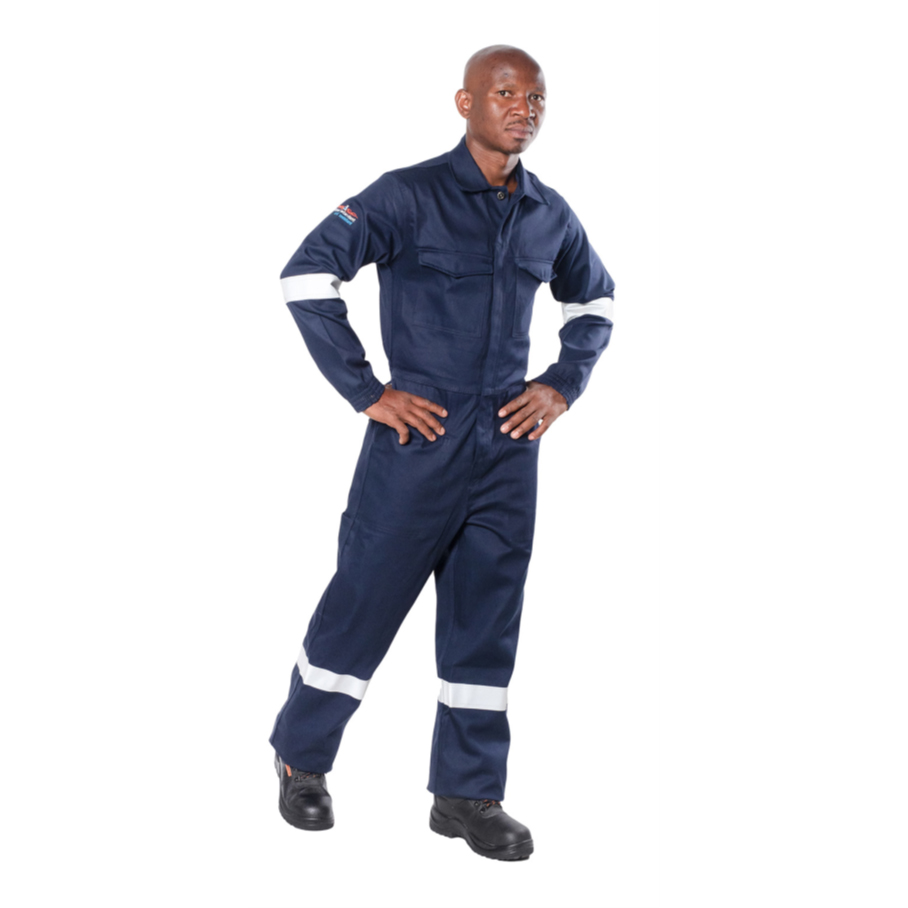
When we think about a mechanical engineer we often imagine someone working with machines, engines, or tools. But have you ever wondered what mechanical engineers wear to work?
The clothes they wear depend on where they work and what kind of work they do. Some engineers work in offices, some in factories, and some on construction sites. Each place needs a different kind of clothing to stay comfortable, safe, and professional.
Let’s talk about what mechanical engineers usually wear at work in different situations.
1. Office Work With Formal or Smart Casual Clothes
Many mechanical engineers work part of their time in offices. Engineers design parts, work on computers, make drawings, or attend meetings in offices. So, their clothes are usually clean and formal, not dirty or heavy like in a workshop.
Common office clothes for mechanical engineers:
- Shirt and trousers – A simple button-up shirt with plain trousers is common.
- Polo shirts – Some offices allow polo shirts instead of formal shirts.
- Blazer or jacket – In meetings or when meeting clients, some engineers wear a blazer or suit jacket.
- Formal shoes or clean sneakers – Shoes are usually clean, comfortable, and neat.
The style depends on the company. Some engineering offices are formal, while others are casual.
For example, in a large company, engineers may wear business casual clothes like a shirt, trousers, and leather shoes. But in a small workshop office, they may wear jeans and a polo shirt.
The main idea is to look neat, professional, and ready to work.
2. Workshop or Factory
Many mechanical engineers spend time in factories, workshops, or production areas. These are places where machines run, tools are used, and heavy parts are made.
Here, engineers need protective clothing to stay safe. This type of clothing is called PPE, which means Personal Protective Equipment.
Common PPE items for mechanical engineers:
- Overalls or coveralls – A one-piece suit that covers the whole body to protect from oil, dirt, and sharp edges.
- Safety boots – Strong shoes with steel toes to protect feet from heavy objects.
- Safety glasses or goggles – To protect eyes from dust, sparks, or chemicals.
- Gloves – To protect hands from hot, sharp, or rough materials.
- Hard hat or helmet – To protect the head from falling objects.
- Ear protection (earplugs or earmuffs) – For loud environments.
- High-visibility vest – A bright yellow or orange vest that helps others see you easily.
Safety is more important than fashion in factories. Engineers wear clothes that keep them safe from danger.
For example, in a car manufacturing plant, a mechanical engineer may wear coveralls, boots, gloves, and a helmet. They might also wear a mask if the air has dust or smoke.
3. Construction Site Where Safety First
Some mechanical engineers work on construction sites. These sites may have heavy machines, cranes, pipes, and equipment being installed.
Here again, safety gear is very important. Engineers must follow safety rules set by the company or government.
Common clothing on construction sites:
- Helmet (hard hat) – Always worn on-site for head protection.
- Steel-toe boots – To protect feet from heavy or sharp objects.
- High-visibility jacket or vest – So that workers can easily see each other.
- Long-sleeve shirts and trousers – To protect skin from sun and cuts.
- Gloves – For handling tools or materials.
- Safety glasses or goggles – To protect eyes from dust or debris.
In hot weather, light and breathable fabrics are used, but safety always comes first.
If the engineer is checking machines or installation, they may also wear a tool belt to carry small tools.
4. Laboratory or Testing Area With Protective Clothing
Some mechanical engineers work in labs or testing rooms. They test new materials, machine parts, or small engines.
In these places, engineers may wear:
- Lab coat or apron – To protect clothes from chemicals or oil.
- Safety goggles – For eye protection.
- Gloves – To protect from hot, cold, or chemical materials.
- Closed shoes – To protect feet from spills or small objects.
Labs are usually clean, so engineers wear light and tidy clothes under the lab coat.
5. Field Work – Practical and Comfortable Clothes
Some engineers need to travel to different sites to inspect machines, check projects, or visit clients.
In such cases, they wear comfortable and practical clothes.
For example:
- Jeans or cargo pants – Strong and easy to move in.
- Shirt or polo shirt – Neat but not too formal.
- Safety shoes – In case they enter a workshop or site.
- Light jacket – For outdoor work or travel.
Mechanical engineers often carry safety gear with them, like a helmet and safety glasses, just in case they need to visit a working site.
6. Clothing Rules and Company Policy
Every company has its own dress code. Some companies tell engineers exactly what to wear.
For example:
- In the office: business casual (shirt, trousers, shoes)
- In the workshop: full PPE (coverall, boots, helmet)
- On-site: high-visibility vest and helmet required
Engineers must follow these rules for safety and professional appearance.
Sometimes, the company gives uniforms or safety shoes to their engineers. These uniforms often have the company logo and are made from durable materials.
7. Why Safety Clothing Is Important
Mechanical engineers often work near machines, tools, and heavy materials. These can be dangerous if you are not careful.
That’s why protective clothing is so important. It can:
- Save you from injury
- Protect your body from burns or cuts
- Keep your clothes clean
- Help others see you easily
- Show that you follow safety rules
Even small items like earplugs or gloves can make a big difference.
8. Weather and Work Location
Clothing also depends on the weather and country.
For example:
- In hot countries, engineers may wear light cotton shirts and safety vests.
- In cold countries, they wear jackets, thermal innerwear, and insulated boots.
- If working outdoors, they may need raincoats, sun hats, or UV-protection glasses.
The goal is to stay comfortable and safe in any weather.
9. Personal Style and Comfort
Even though engineers must follow dress codes, they still choose clothes that are comfortable.
Many engineers like:
- Breathable fabrics like cotton
- Stretch trousers for easy movement
- Lightweight safety shoes
- Pocket shirts to carry pens or small tools
Comfort is important because engineers often move around, climb stairs, or stand for long hours.
10. Summary
Let’s quickly review what mechanical engineers wear to work:
| Workplace |
Common Clothing |
Purpose |
| Office |
Shirt, trousers, shoes |
Look professional |
| Factory |
Coveralls, boots, goggles, gloves |
Safety from machines |
| Construction Site |
Helmet, vest, boots |
Safety and visibility |
| Lab |
Lab coat, gloves, goggles |
Protection from chemicals |
| Field Work |
Jeans, polo, light jacket |
Comfort and flexibility |
Mechanical engineers wear different clothes depending on where they work and what they do. The main goals are safety, comfort, and professionalism.
Final Thoughts
Mechanical engineer are smart, skilled, and practical people. Their clothes show that they are ready for both technical work and problem-solving.
- In the office, they look neat and professional.
- In the workshop, they look strong and safe.
- On-site, they look ready for action.
So next time you see a mechanical engineer, look closely at their clothes , you’ll know what kind of work they are doing just by what they wear!